

How The Section 179 Tax Deduction Saves You On Commercial Vehicles
For business owners, every financial decision impacts the bottom line. When it comes to purchasing commercial vehicles, knowing how to maximize tax benefits can make a significant difference.
The Section 179 Tax Deduction allows businesses to deduct up to $1.25 million on qualifying commercial vehicles in the year they are placed into service, rather than spreading depreciation over several years. Heavy SUVs and trucks (6,000+ lbs GVWR) can qualify for up to $31,300, while lighter vehicles are capped at $20,400, providing substantial tax relief.
At Rick Hendrick Cadillac Norfolk, we specialize in helping businesses make informed vehicle investments that align with tax advantages. With expert guidance and a premium selection of Cadillac models that qualify for Section 179 Tax Deduction benefits, we ensure you get both luxury and financial efficiency. Let’s break down how this tax incentive can work for you.
Summary:
- Immediate Tax Savings – Businesses can deduct up to $1.25 million on eligible commercial vehicles, reducing taxable income in the year of purchase.
- Vehicle-Specific Limits – Heavy SUVs like the Cadillac Escalade qualify for up to $31,300, while lighter vehicles have a $20,400 cap.
- Smart Business Investment – Leveraging the Section 179 Tax Deduction helps businesses enhance cash flow while upgrading to high-quality commercial vehicles.

What Is the Section 179 Tax Deduction?
The Section 179 Tax Deduction allows businesses to deduct the full cost of qualifying equipment, vehicles, and software in the year they are placed into service instead of spreading depreciation over multiple years. This tax incentive helps businesses lower taxable income while improving cash flow.
Whether you’re a contractor in Virginia Beach or a small business owner in Chesapeake, Section 179 makes it easier to invest in vehicles that keep your operations running smoothly.
Who Is Eligible for the Section 179 Tax Deduction?
Most businesses—including sole proprietorships, LLCs, partnerships, and corporations—can claim the Section 179 Tax Deduction, provided they use the qualifying asset for business purposes more than 50% of the time. This applies to a variety of industries, from local delivery services in Suffolk to executive transportation companies in Newport News.
However, leased vehicles, real estate, and personal-use assets do not qualify, making it essential to consult a tax professional before making a purchase.
How Does the Section 179 Tax Deduction Work?
Instead of spreading depreciation over several years, Section 179 lets businesses deduct up to $1.25 million of qualifying expenses in the year of purchase, with a phase-out limit starting at $3.13 million.
For example, if a business purchases a $75,000 commercial vehicle, it can deduct the full amount in the first year, reducing taxable income significantly. This makes it an attractive option for businesses looking to lower tax liability while upgrading their fleets.
Are There Limits to the Section 179 Tax Deduction?
Yes, there are maximum deduction limits and phase-out thresholds to consider. In 2025, businesses can deduct up to $1.25 million, but once total qualifying purchases exceed $3.13 million, the deduction starts to phase out and is eliminated at $4.38 million.
Additionally, business income must be high enough to absorb the deduction—meaning you can’t claim more than your taxable income. Understanding these limits is crucial for businesses planning large purchases.
Can You Use the Section 179 Tax Deduction on Used Vehicles?
Yes! Section 179 applies to both new and used vehicles, as long as they are purchased (not leased) and are new to the taxpayer. This makes it an excellent option for businesses looking for high-quality pre-owned commercial vehicles without sacrificing tax benefits.
Whether you’re picking up a pre-owned Cadillac SUV for executive transport in Hampton or a cargo van for deliveries in Norfolk, used vehicles can still help maximize your tax savings.
What Are the 2025 Section 179 Tax Deduction Limits?
For 2025, the maximum deduction is $1.25 million, with a spending cap of $3.13 million before phase-out begins. For vehicles, the limits vary:
- Heavy SUVs & Trucks (6,000–14,000 lbs GVWR): Up to $31,300 deduction.
- Light Vehicles (<6,000 lbs GVWR): Capped at $20,400 deduction.
- Vocational & Commercial Vehicles (>14,000 lbs GVWR): Eligible for full deduction with no cap.
These limits ensure businesses get the most value from their purchases while staying compliant with IRS regulations.

How Does Section 179 Apply to Commercial Vehicles?
Section 179 is particularly valuable for businesses that rely on commercial vehicles, from construction companies to corporate transportation services. Heavy-duty trucks, cargo vans, and fleet vehicles often qualify for higher deduction limits, making them cost-effective investments.
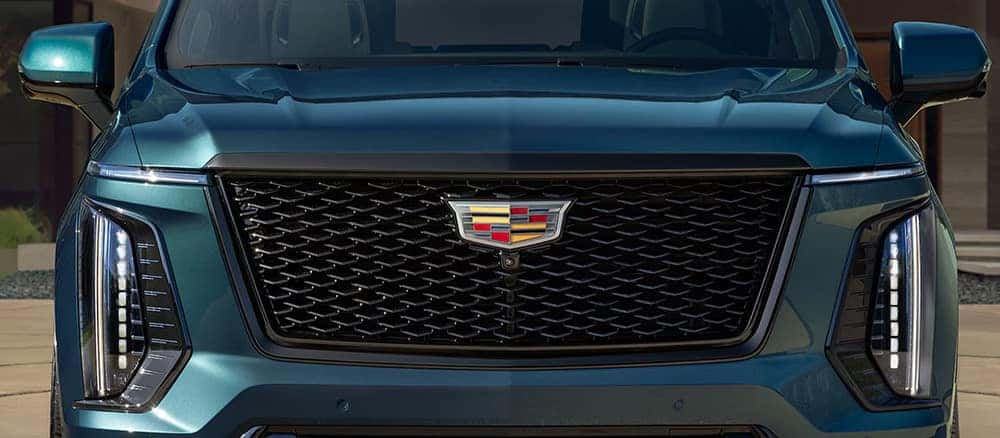
For example, a Norfolk-based business investing in a Cadillac Escalade (GVWR 7,200 lbs) can deduct up to $31,300, significantly reducing taxable income.
Which Cadillac Vehicles Qualify for the Section 179 Tax Deduction?
Several Cadillac SUVs qualify under Section 179, particularly models with a GVWR exceeding 6,000 lbs. The Cadillac Escalade, Escalade ESV, XT5, and XT6 meet this requirement, making them eligible for up to a $31,300 deduction if used at least 50% for business purposes.
Meanwhile, sedans like the Cadillac CT4 & CT5 are limited to $20,400. These deductions allow business owners to combine tax efficiency with Cadillac’s luxury and performance.
A Final Word on How the Section 179 Tax Deduction Saves You on Commercial Vehicles
Now that you understand how the Section 179 Tax Deduction can help your business save thousands on commercial vehicles, the next step is choosing the right one to maximize your tax benefits. Acting before the year-end deadline ensures you can take full advantage of these savings while upgrading your fleet or executive transport.
Beyond tax deductions, investing in the right vehicle means improving efficiency, reliability, and brand image—whether you’re running a growing business in Norfolk or managing operations across Virginia Beach, Chesapeake, and beyond. At Rick Hendrick Cadillac Norfolk, we offer a premium selection of Cadillac SUVs that qualify for Section 179, combining tax advantages with luxury and performance. Our knowledgeable team is ready to help you explore your options, secure competitive financing, and ensure you get the best vehicle for your needs.
Come visit us at 6222 E Virginia Beach Blvd, Norfolk, VA 23502, or call us at (757) 335-6953 to schedule a test drive today. Let’s get your business on the road with a Cadillac that works as hard as you do!
More Frequently Asked Questions
What Is the Section 179 Tax Deduction?
The Section 179 Tax Deduction allows businesses to deduct the full cost of qualifying equipment, vehicles, and software in the year they are placed into service instead of spreading depreciation over multiple years. This tax incentive helps businesses lower taxable income while improving cash flow.
Whether you’re a contractor in Virginia Beach or a small business owner in Chesapeake, Section 179 makes it easier to invest in vehicles that keep your operations running smoothly.
Who Is Eligible for the Section 179 Tax Deduction?
Most businesses—including sole proprietorships, LLCs, partnerships, and corporations—can claim the Section 179 Tax Deduction, provided they use the qualifying asset for business purposes more than 50% of the time. This applies to a variety of industries, from local delivery services in Suffolk to executive transportation companies in Newport News.
However, leased vehicles, real estate, and personal-use assets do not qualify, making it essential to consult a tax professional before making a purchase.
How Does the Section 179 Tax Deduction Work?
Instead of spreading depreciation over several years, Section 179 lets businesses deduct up to $1.25 million of qualifying expenses in the year of purchase, with a phase-out limit starting at $3.13 million.
For example, if a business purchases a $75,000 commercial vehicle, it can deduct the full amount in the first year, reducing taxable income significantly. This makes it an attractive option for businesses looking to lower tax liability while upgrading their fleets.
Are There Limits to the Section 179 Tax Deduction?
Yes, there are maximum deduction limits and phase-out thresholds to consider. In 2025, businesses can deduct up to $1.25 million, but once total qualifying purchases exceed $3.13 million, the deduction starts to phase out and is eliminated at $4.38 million.
Additionally, business income must be high enough to absorb the deduction—meaning you can’t claim more than your taxable income. Understanding these limits is crucial for businesses planning large purchases.
Can You Use the Section 179 Tax Deduction on Used Vehicles?
Yes! Section 179 applies to both new and used vehicles, as long as they are purchased (not leased) and are new to the taxpayer. This makes it an excellent option for businesses looking for high-quality pre-owned commercial vehicles without sacrificing tax benefits.
Whether you’re picking up a pre-owned Cadillac SUV for executive transport in Hampton or a cargo van for deliveries in Norfolk, used vehicles can still help maximize your tax savings.
What Are the 2025 Section 179 Tax Deduction Limits?
For 2025, the maximum deduction is $1.25 million, with a spending cap of $3.13 million before phase-out begins. For vehicles, the limits vary:
- Heavy SUVs & Trucks (6,000–14,000 lbs GVWR): Up to $31,300 deduction.
- Light Vehicles (<6,000 lbs GVWR): Capped at $20,400 deduction.
- Vocational & Commercial Vehicles (>14,000 lbs GVWR): Eligible for full deduction with no cap.
These limits ensure businesses get the most value from their purchases while staying compliant with IRS regulations.
How Does Section 179 Apply to Commercial Vehicles?
Section 179 is particularly valuable for businesses that rely on commercial vehicles, from construction companies to corporate transportation services. Heavy-duty trucks, cargo vans, and fleet vehicles often qualify for higher deduction limits, making them cost-effective investments.
For example, a Norfolk-based business investing in a Cadillac Escalade (GVWR 7,200 lbs) can deduct up to $31,300, significantly reducing taxable income.
Which Cadillac Vehicles Qualify for the Section 179 Tax Deduction?
Several Cadillac SUVs qualify under Section 179, particularly models with a GVWR exceeding 6,000 lbs. The Cadillac Escalade, Escalade ESV, XT5, and XT6 meet this requirement, making them eligible for up to a $31,300 deduction if used at least 50% for business purposes.
Meanwhile, sedans like the Cadillac CT4 and CT5 are limited to $20,400. These deductions allow business owners to combine tax efficiency with Cadillac’s luxury and performance.